Filmmaker on Covering a Year of Turmoil ‘Through the Eyes of Ordinary Iranians’
Director Gesbeen Mohammad talks about documenting the tumultuous year Iranians have lived through, from protests to crackdowns and war.
November 24, 2026
Share
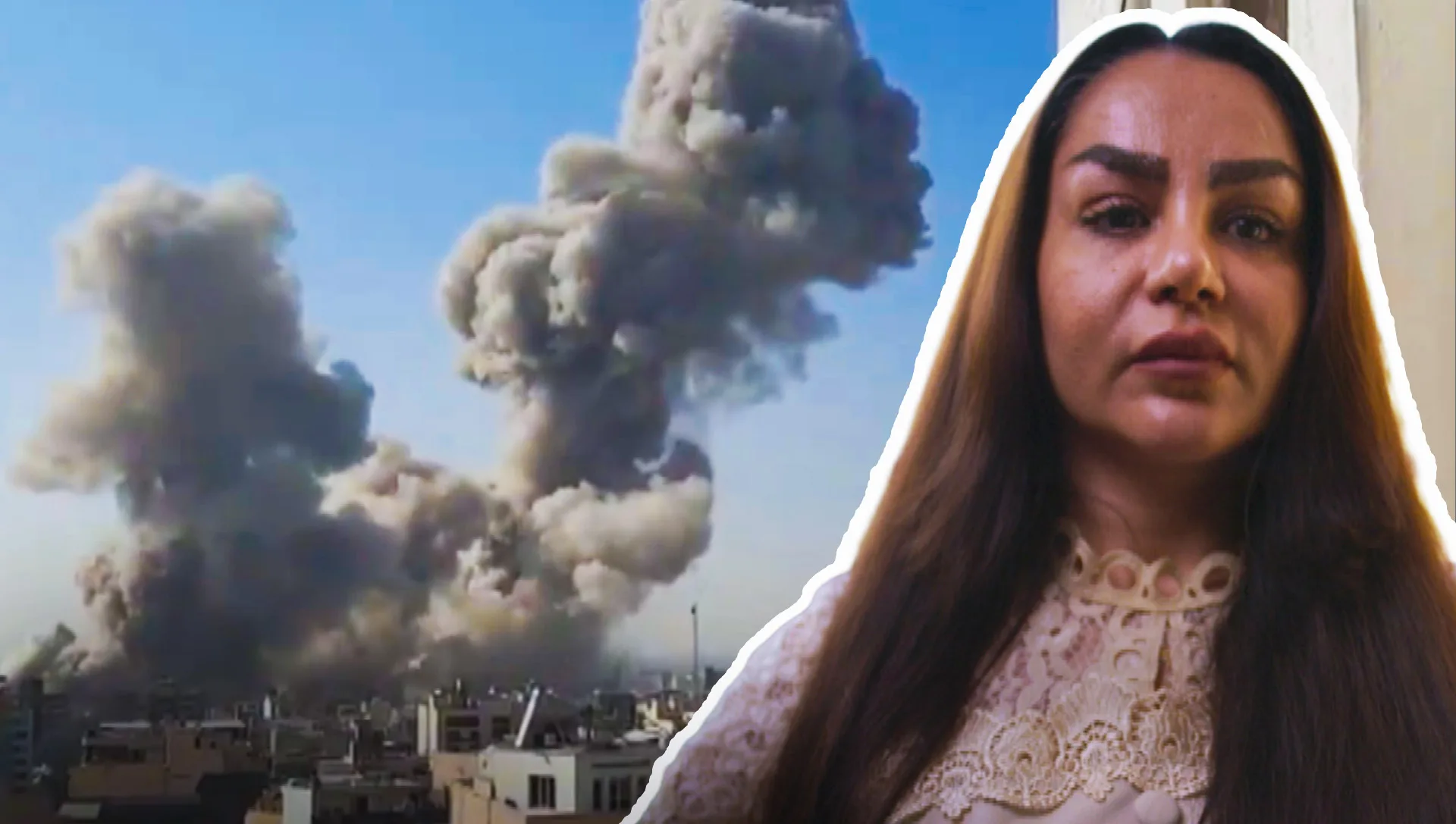
In early January, anti-government protests that had erupted against the Islamic Republic of Iran reached a crescendo, sparking a violent crackdown by Iranian authorities. An internet blackout kept the world in the dark about much of what was unfolding.
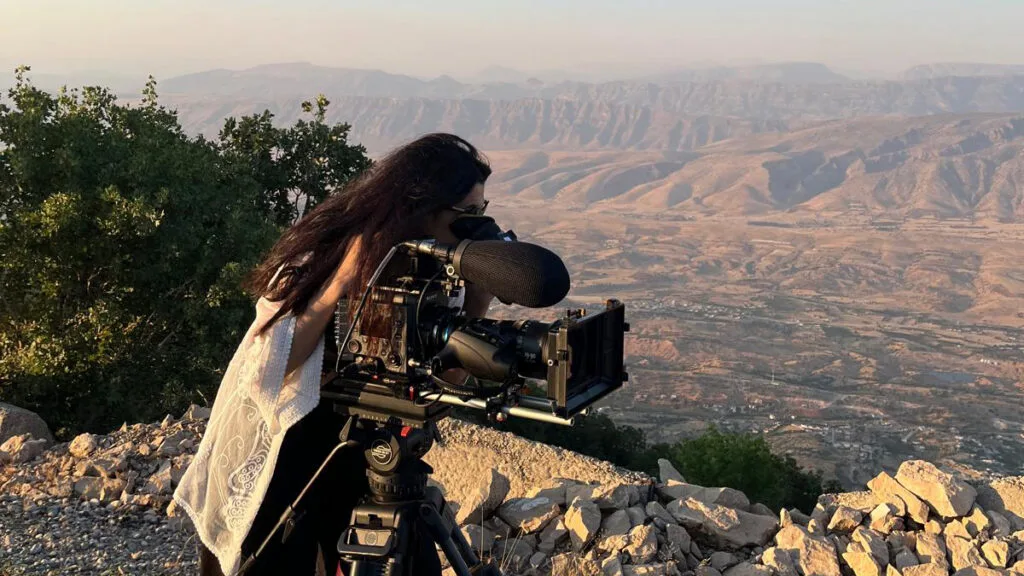
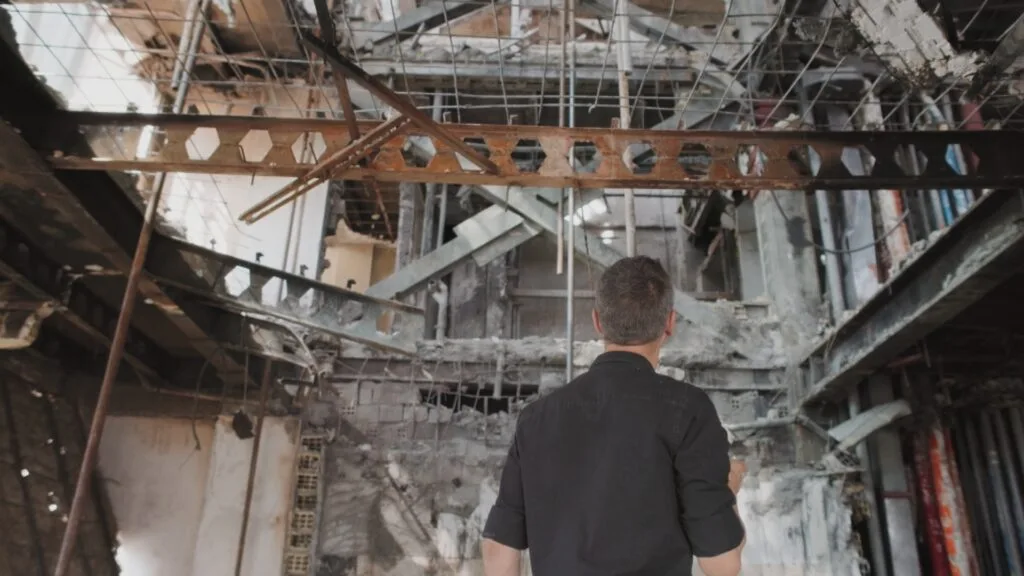
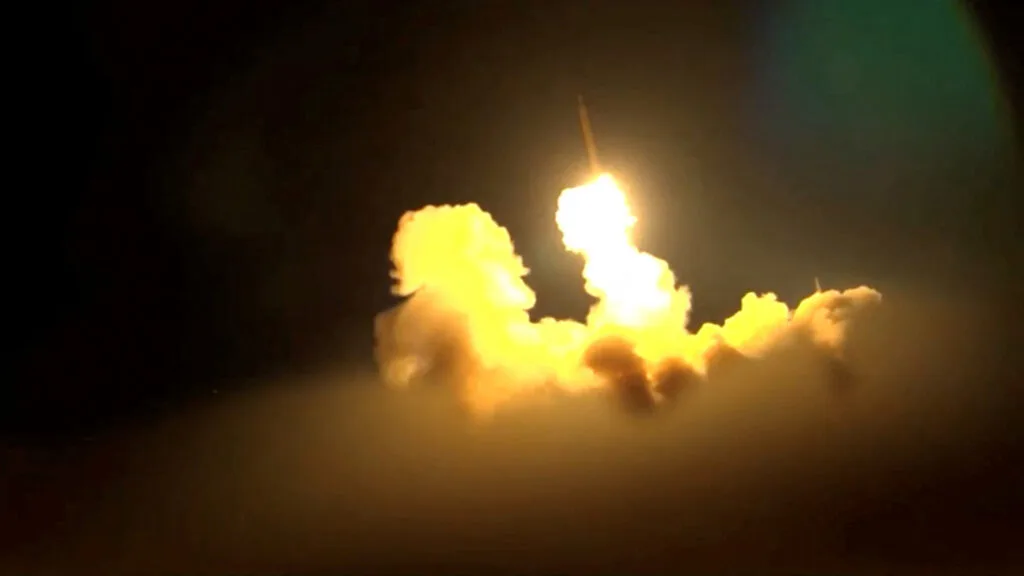
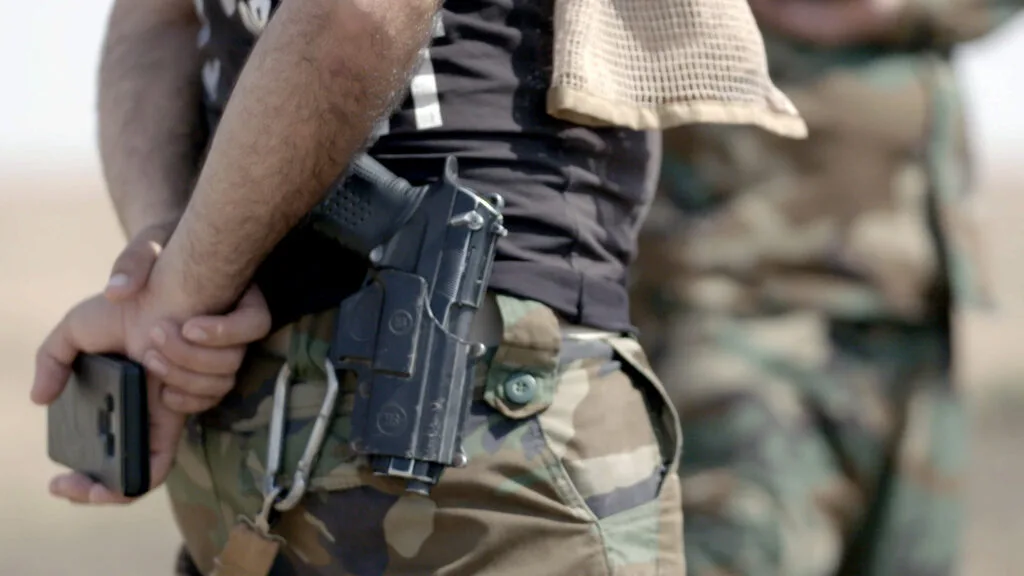
The new FRONTLINE documentary Iranians Under Siege tells the stories of how ordinary people have navigated life over the last year, during the protests and crackdown, and the U.S.-Israeli war with Iran. Drawing on rare footage from inside Iran and interviews with Iranians in the country and those who have fled, director and producer Gesbeen Mohammad offers intimate portraits of the tumult and human cost of the past year.
Gesbeen spoke with FRONTLINE about how she built trust with sources, found and verified information and worked with filmmakers at risk of retaliation.
This interview has been edited for length and clarity.
How did you get started on this project?
Gesbeen: We started looking at footage in January when the protests had just started. We started exploring how we turn the journalism and evidence that’s coming out into a documentary. The internet blackout made things very difficult. We were doing a lot of research as a team to see who is connected to the internet, so people who are already on the internet without us having to ask them to get to the internet somehow.
Between the protests and the U.S.-Israeli war with Iran, the internet started popping back up. We started being in contact again with people.
The resulting film is told through the eyes of ordinary Iranians. Most of the contributors took to the streets and most of them lived through war, and it’s a story of survivors really.
You mentioned when you were connecting with Iranians inside Iran, you were identifying people already sidestepping the blackout and using the internet. How did you ensure that the sources you were using were still representative of people participating in protests?
Gesbeen: A lot of Iranians I speak to often say, “Everything we do in our country is political.” They feel so many aspects of their lives are politicized in Iran, down to the way they dress. All of the contributors in the film are ordinary Iranians. I wouldn’t say they are political activists in the way that we describe political activists in the West necessarily. While they all have grievances against the government, they each come at it from slightly different angles.
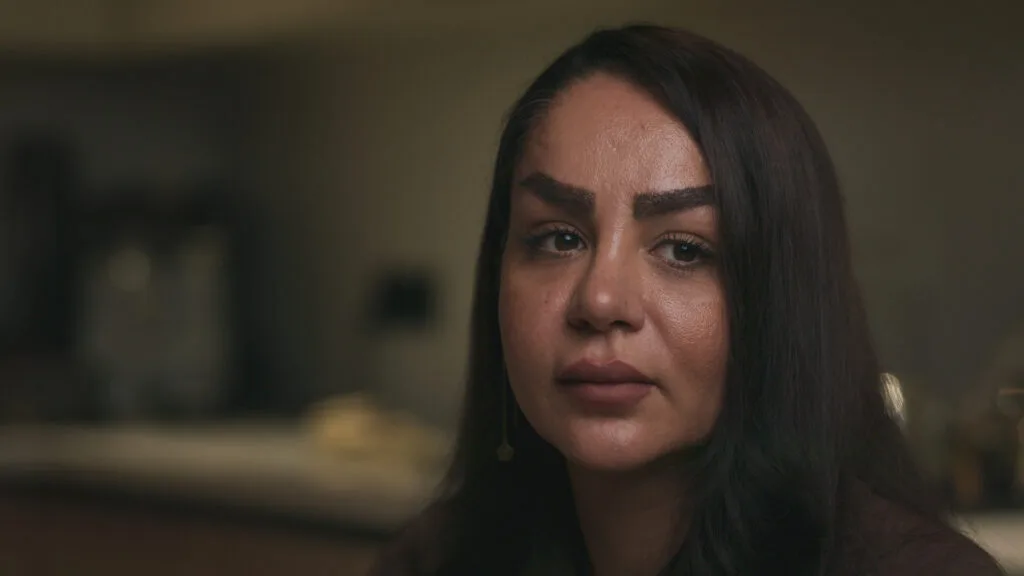
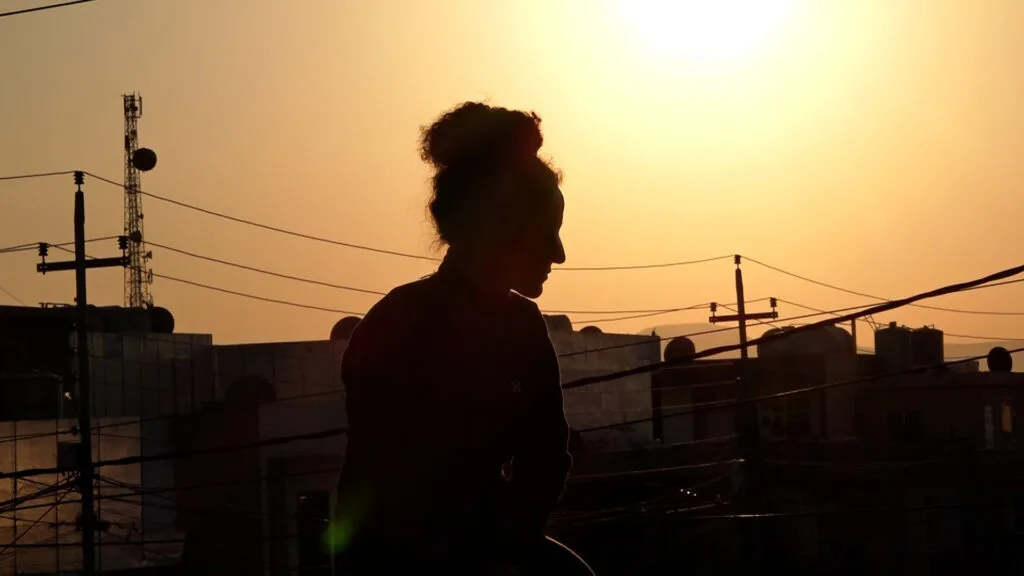
We hear from a young woman, “Mina,” (an alias) who says maybe the war will help bring down the regime. But then, also we have a writer, “Shirin,” who suffered bombing and says that she hates the regime itself, but she also hates those who attacked her land, by which she obviously means Israel and America. There’s Samira, who is living in exile; I would say that her grievances started over economic concerns.
There’s also Hamid, who is a Kurdish Iranian from a very restrictive part of the country. The thing that he got into trouble for, which was criticizing the regime on social media — in liberal democracies, that’s not a crime. I wouldn’t say he necessarily has a very strong political view, but it’s even thoughts such as wanting democracy or wanting to speak your mother tongue. He comes from an ethnic minority and therefore feels that he has to stand up for his own ethnic minority.
"It's a story of survivors really."
What are the differences in how you build trust with Iranians who are in Iran versus ones who are outside of the country?
Gesbeen: For films about Iran, it does come down to trust. That trust is really important because they are — especially the ones in Iran — literally trusting you with their freedom and potentially, even their lives. You build that trust by being transparent.
With the contributors outside of Iran showing their faces, they are also vulnerable to harassment, being targeted on social media or transnational repression, which means their families risk getting targeted in Iran for them speaking out. I can’t comment specifically but in high risk films, we consider mitigating risks a lot and I think that practice of conversation about risks also helps build trust.
You’re never forcing or pressuring them to do something. I think that’s where trust is built.
“Siavash” (an alias) is the Iranian filmmaker that you’re working with. In addition to filming, he’s also presented as one of the subjects to the audiences. How did you come to the decision to do that?
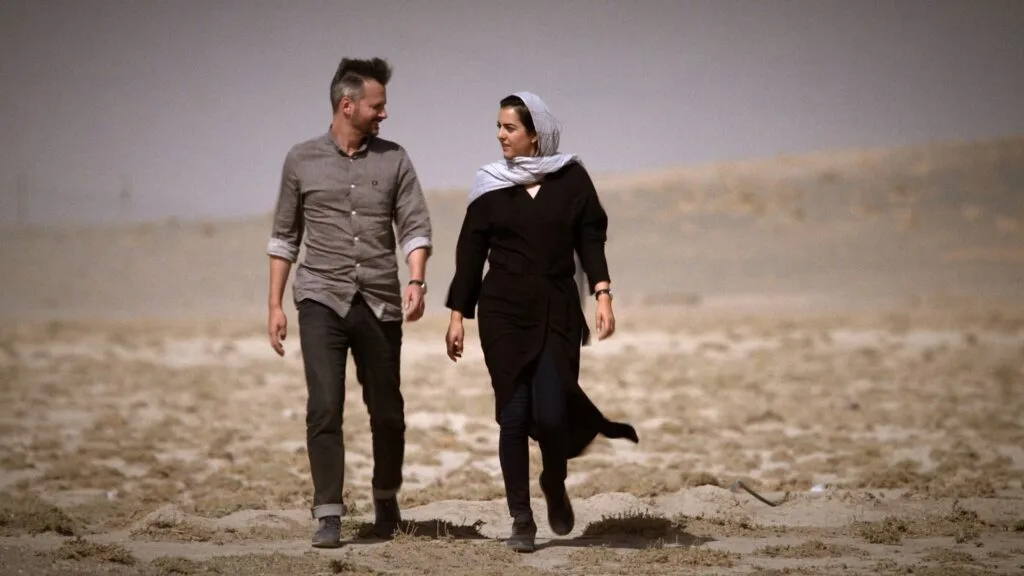
Gesbeen: We decided to include “Siavash” in the actual film because he’s an Iranian himself. He lived through things that the contributors also lived through, but we felt that he was able to comment on the wider aspects of what was happening in Iran because he was going around and meeting many people.
When he says at the end of the film that the current situation in Iran is an unending nightmare for the Iranian people, it’s not just a personal opinion but he has listened to people recount their experiences. I thought that perspective had value in a situation where you’re operating in a society where there’s little to no free speech.

How do you build a relationship with a filmmaker who is at risk of retaliation?
Gesbeen: Even though they are far away from you, you treat them like you would someone that you’re working with in the office, but recognizing your own duty of care to them all the time.
In productions, team members can sometimes feel that they have to do something or someone else will be unhappy. It’s important that people don’t feel like that in any production, but especially in these high risk ones. You have to make sure that people know that they can say “no” to something involving risk, and that they have agency.
You use a lot of user-generated footage from the protests, the violence against protesters and the aftermath of strikes in Iran. What work went into tracking down and verifying that footage?
Gesbeen: The quality of the UGC [user-generated content], because of the internet blackout, was extremely low compared to other uprisings when there’s been better quality and more verifiable information trickling out.
We had to work really hard with the FRONTLINE team to authenticate each of the clips that we’re using. The main thing is using reliable sources. In the age of AI, you can’t just take things from social media. You have to do your own checks. We were able to geolocate clips and cross-check it with either public reporting or through the eyewitness accounts that we gathered ourselves.
A lot of the projects you’ve worked on have been in countries where there’s a really tight restriction on information. But with the rise of AI, and then also this internet blackout in Iran, were there any unique challenges that you experienced with this project?
Gesbeen: Obtaining footage partly inspired this film. Finding footage that was independent is difficult. There’s the government, which reports its own version of events. Different political networks on social media that are anti-regime do their own version of events. There was very limited footage of this year’s protests publicly available that was independent, usable quality. But individual, brave Iranian citizens themselves filmed on the streets during the protests and the war and uploaded their footage to the internet, so we were able to use that as a resource to help tell the story.
How you visualize something that not only an internet blackout, but also a government is obstructing your view of was the biggest challenge. “Siavash” says at the top of the film that our film is telling the story the Islamic Republic doesn’t want the world to see.
We wanted to create a space where we follow natural reporting methods as much as possible. We don’t want to have the Iranian government monitoring our reporting. We just want the contributors to be able to say what they want to say: What they felt, what was their experience of not just the protests, but also the war, and what was the impact on them. We wanted to allow people to speak truthfully, but also safely.
The film also includes Sevda and Naser, who were killed in Iran. How did you confirm the details of what happened to them?
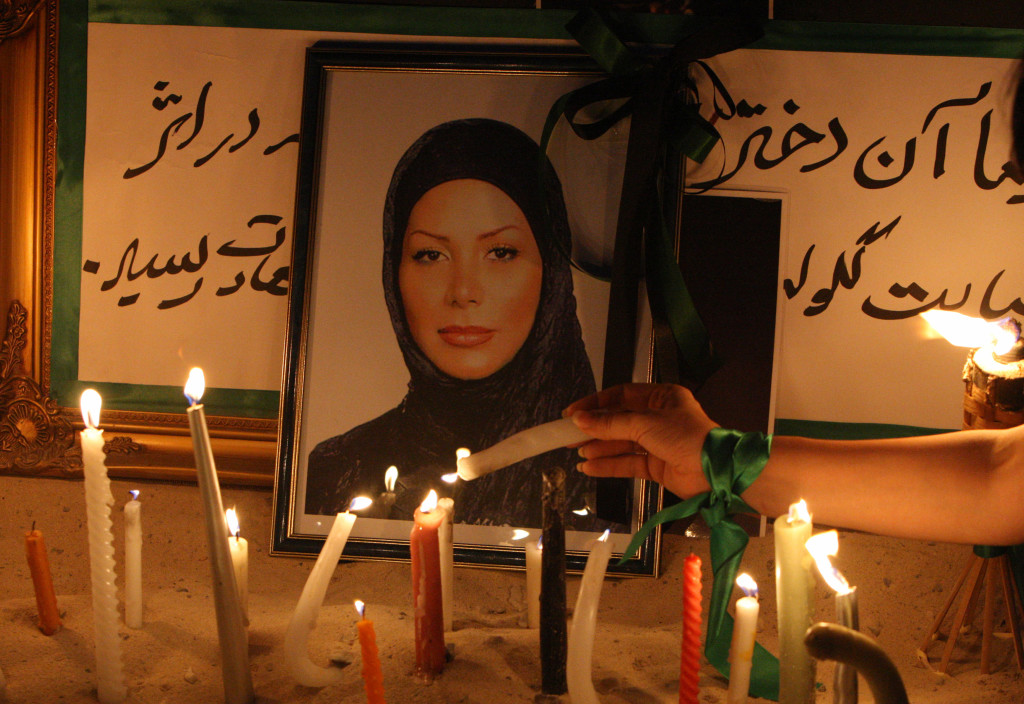
Gesbeen: Sevda was 16 when she was shot on the streets in the outskirts of Tehran. For her mother Samira, it was really important that after having been questioned by the Iranian authorities — having been asked to say that terrorists, or as she described “American and Israeli-backed terrorists” had killed her daughter — that Sevda was remembered in an authentic form and not in the way that the Iranian authorities wanted to represent her death. Samira was very generous in that she gave us all the footage of Sevda, through the years and photos that she still had access to from their life in Iran. She was also able to provide some documentation which corroborated, for example, the charges filed against her.
Naser’s story was complicated to cover. He’s Kurdish Iranian and he’s somewhat representative of what goes on, particularly in relation to ethnic minorities who can be seen by the Iranian authorities as a security threat.
Hamid has unique insight into Naser’s account, because he spent about three months in prison with Naser some months before Naser was executed. But we also looked at existing documentation gathered by credible human rights groups, and also Iranian state media, which released the confession video that Naser appears in. We also assessed the political context of what was happening in a wider sense when Naser was first arrested, when he was sentenced, and when he was eventually executed.
According to Hamid, Naser wasn’t particularly political. But he’s also an example of how sometimes even seemingly small acts, such as taking tourism photos, can get someone into really big problems in a place like Iran.
"We felt as a team that the humanization of people was missing from the coverage."
What do you hope that Americans take away from watching this film?
Gesbeen: I hope that U.S. audiences will find value in this film in that it is just ordinary Iranians talking about a year inside the country, their experiences of protests, their experiences of war, but also the impact of the ongoing war. And what they feel that they are left with, in the end — whether that’s related to the Iranian government or the U.S.-Israel war against Iran.
A lot of the media coverage that we saw on the war was about the Strait of Hormuz and the price of oil. We felt as a team that the humanization of people was missing from the coverage. That’s not criticism of any media. It’s the conditions in Iran that make it a challenge to get human voices out.
Each of the contributors have different experiences of how things have turned out for them, of living through the protests, crackdown and the war. I hope that there’s value in that for an American audience.
Watch the documentary
Iranians Under Siege
Iranians share their experiences of living through a year of tumult — from widespread protests, to a brutal regime crackdown and an ongoing war
Journalism powered by your support — and accessible to all.
Exposing the truth is where accountability begins. Help keep our reporting paywall-free for everyone with a gift of $5 or $10 today.
Murray Journalism Fellow, FRONTLINE/Missouri School of Journalism Fellowship, FRONTLINE
Email:
aminah_jenkins@wgbh.orgSupport provided by:
Learn More
Related Documentaries

Latest Documentaries
Related Stories
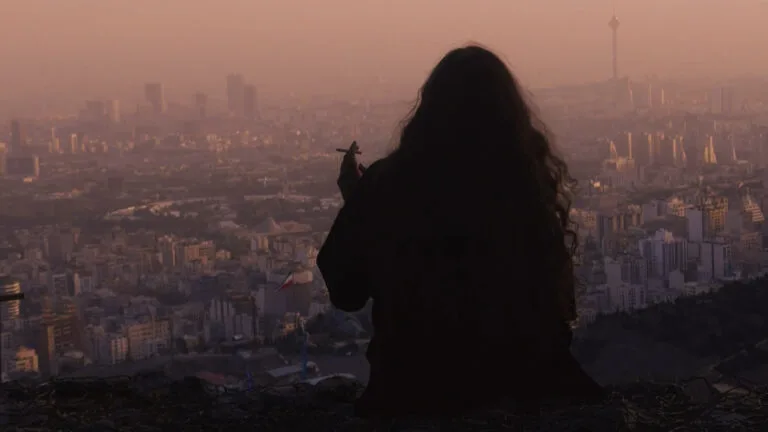
Rare Footage From ‘Iranians Under Siege’: Where to Watch FRONTLINE’s Documentary
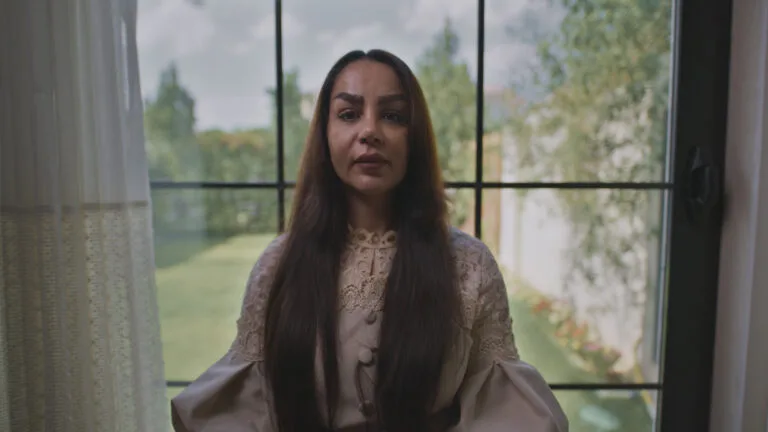
‘I Couldn’t Stay Silent’: How an Iranian Mother Defied Iran’s Regime After Her Daughter Was Killed While Protesting
Iranians Under Siege
Related Stories
Rare Footage From ‘Iranians Under Siege’: Where to Watch FRONTLINE’s Documentary
‘I Couldn’t Stay Silent’: How an Iranian Mother Defied Iran’s Regime After Her Daughter Was Killed While Protesting
Iranians Under Siege
Explore
Policies
Teacher Center

Jon and Jo Ann Hagler on behalf of the Jon L. Hagler Foundation
Corey David Sauer
Koo and Patricia Yuen
FRONTLINE is a registered trademark of WGBH Educational Foundation. Web Site Copyright ©1995-2025 WGBH Educational Foundation. PBS is a 501(c)(3) not-for-profit organization.
Funding for FRONTLINE is provided through the support of PBS viewers and by the Corporation for Public Broadcasting, with major support from Ford Foundation, and Fialkow Family Foundation. Additional funding is provided the Abrams Foundation, John D. and Catherine T. MacArthur Foundation, Park Foundation, Heising-Simons Foundation, and the FRONTLINE Trust, with major support from Jon and Jo Ann Hagler on behalf of the Jon L. Hagler Foundation, and Corey David Sauer, and additional support from Koo and Patricia Yuen. FRONTLINE is a registered trademark of WGBH Educational Foundation. Web Site Copyright ©1995-2026 WGBH Educational Foundation. PBS is a 501(c)(3) not-for-profit organization.